
Jun 8, 2026
BlogWhat Is WormGPT? The 2026 Guide to the AI Phishing Tool
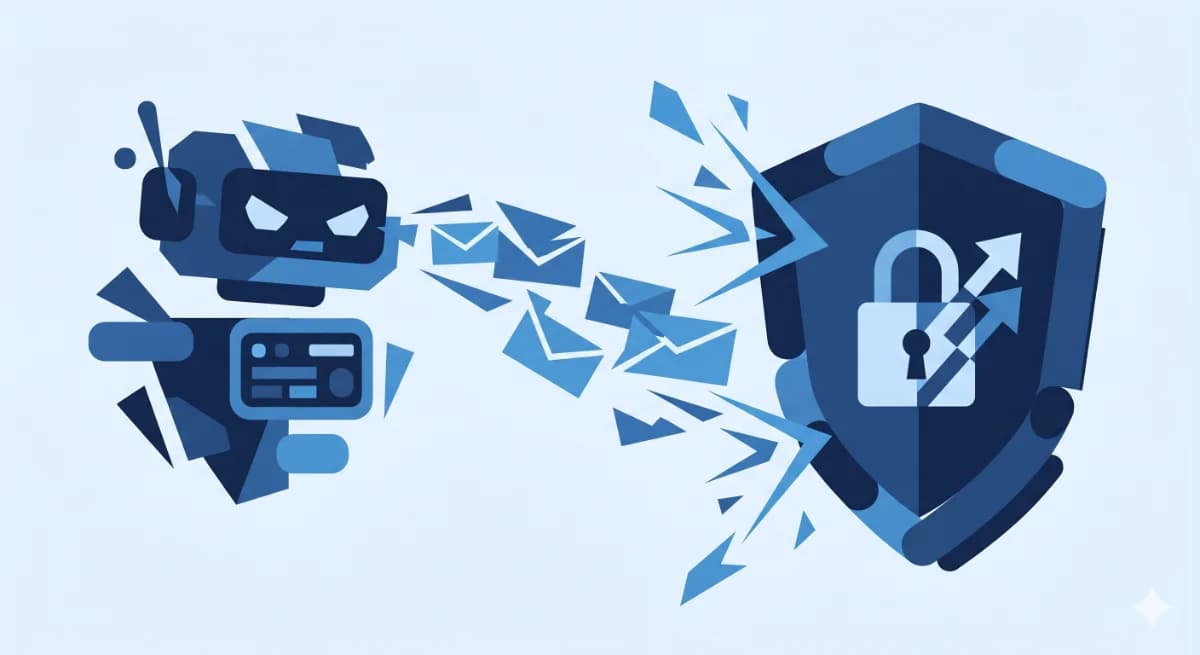
WormGPT is a malicious large language model (LLM) sold on underground forums that strips away the safety guardrails of mainstream AI like ChatGPT, letting attackers auto-generate convincing phishing emails, business email compromise (BEC) lures, and malware code at scale – even without coding or strong writing skills.
What is WormGPT, exactly?
Think of WormGPT as ChatGPT's evil twin: same human-like text generation, none of the ethics. First marketed on dark-web forums in 2023 and built on the open-source GPT-J model, it was designed for one job – help criminals write attacks. The original was shut down under media scrutiny, but the name stuck as a catch-all for illicit "dark" LLMs (FraudGPT, GhostGPT, KawaiiGPT and newer variants).
Why is WormGPT dangerous for businesses?
Because it removes the two things that used to give phishing away: bad grammar and limited scale.
- It sounds legit. No typos, right tone, even fluent in other languages – the "looks fake" tells are gone.
- It scales. Thousands of tailored lures in minutes, so volume and success rates climb together.
- It lowers the bar. A novice with no coding skill can draft malware or a CEO-impersonation email.
The stakes are not theoretical. Credential misuse was the number-one initial access vector in breaches, behind close to 40% of incidents (Verizon DBIR, 2024), and business email compromise drove $2.9 billion+ in reported losses in a single year (FBI IC3, 2023) – exactly the attacks tools like WormGPT make easier.
WormGPT vs legitimate AI: what's the difference?
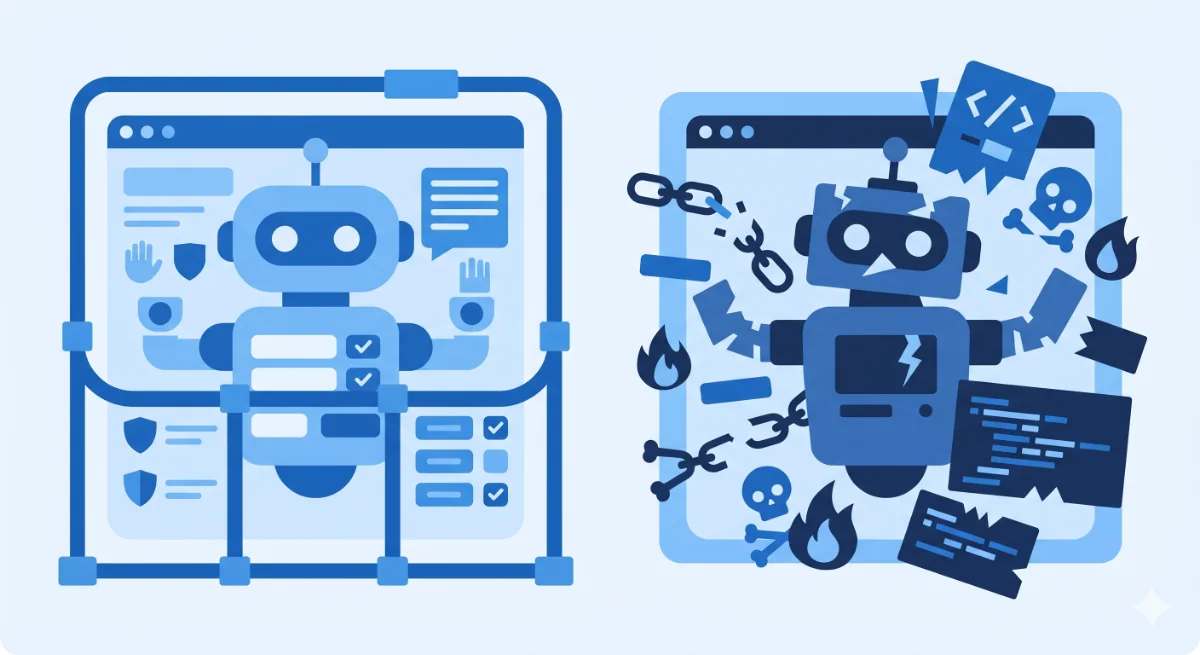
Mainstream LLM (ChatGPT) | WormGPT / dark LLM |
|---|---|
Safety filters, abuse monitoring | No guardrails – answers anything |
Built for productivity | Built to support cybercrime |
Accountable provider | Anonymous, no oversight |
How is WormGPT used in real attacks?
Three patterns show up most: BEC and phishing (emails in the voice of an executive or vendor), multilingual social engineering (instant translation to widen reach), and malware assistance (drafting or obfuscating code). As one ShieldNet analyst puts it, "The grammar mistakes we trained staff to spot are gone – defense now has to assume the email looks perfect."
How do you defend against AI-generated phishing?
- Move detection from "spot the typo" to behavioral and identity signals – who is emailing whom, and is it normal.
- Inspect intent and context, not just keywords; AI lures pass old filters.
- Train staff on AI-written examples, not 2019-era "Nigerian prince" ones.
- Layer controls: authentication (DMARC/DKIM/SPF), anomaly detection, and post-delivery clawback.
This is exactly the gap ShieldNet NGES closes – behavioral, AI-aware email security built for SMB and mid-market teams without a security department. See also our guides on business email compromise and AI phishing.
FAQ
Is WormGPT a real AI model?
Yes – the original launched in 2023 on GPT-J. "WormGPT" is now also a catch-all label for the family of unrestricted criminal LLMs.
Is WormGPT the same as ChatGPT?
No. Same underlying tech idea, opposite purpose: ChatGPT has safety filters; WormGPT removes them to assist attacks.
How is WormGPT used by attackers?
Mainly to write phishing and BEC emails, translate lures into other languages, and draft or obfuscate malware code.
Can organizations detect WormGPT-generated attacks?
Not by grammar anymore. Detection relies on behavioral, identity, and context signals plus AI-aware email security.
What should defenders do first?
Assume the email looks perfect: tighten email authentication, add behavioral detection, and retrain staff on AI-written examples.
Related Articles

Oct 22, 2026
Real or Fake? HR Asking You to Review Payroll
Got an email from HR asking you to review payroll? Learn how to identify fake payroll emails, verify HR requests, and protect your salary and bank details.
Oct 9, 2026
I replied to a phishing email. Am I at risk?
Replied to a phishing email? Learn what risks you face, what attackers can learn from your reply, and what to do next to protect your account and business.
Oct 8, 2026
Real or Fake? How to verify a sharepoint file invitation
Received a SharePoint file invitation? Learn how to spot fake SharePoint emails, verify shared files safely, and protect your Microsoft 365 account from phishing.

Protect your business with ShieldNet 360
Get started and learn how ShieldNet 360 can support your business.