
Jul 9, 2026
BlogWhy antivirus alone is no longer enough for SMEs
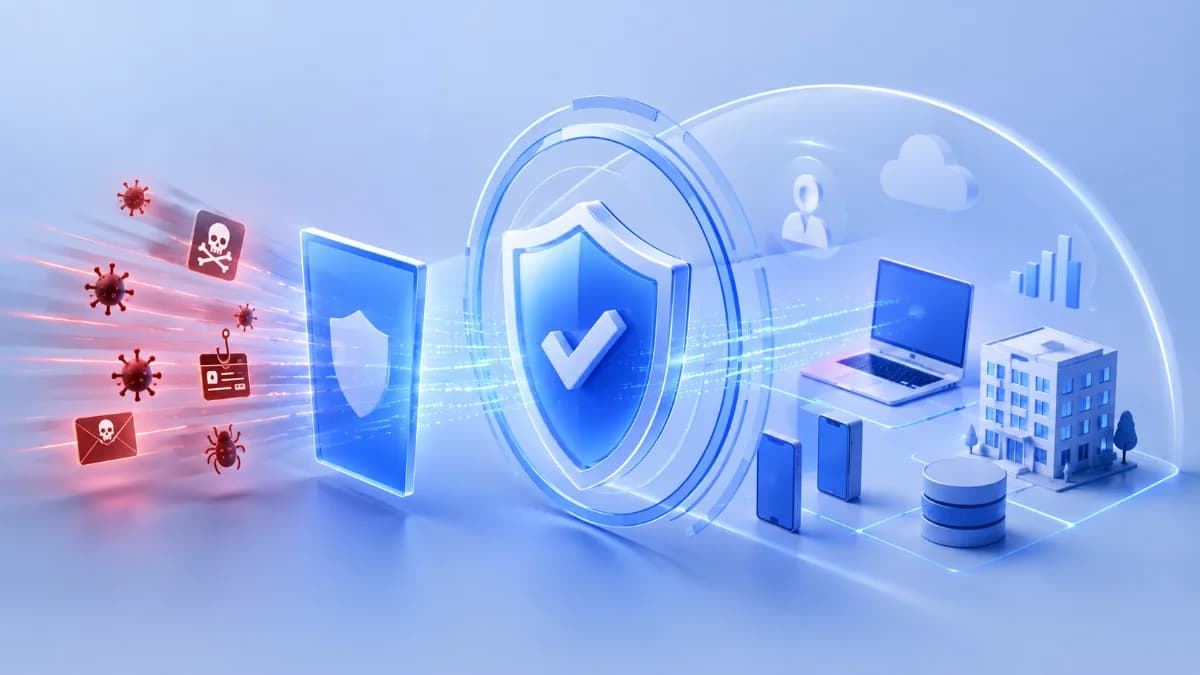
Antivirus is still useful – but it is no longer enough
For many years, antivirus software was the first line of defense against cyber threats.
It scanned files, identified known malware, and removed infected programs before they caused harm.
That protection is still important today.
However, cybercriminals have changed the way they attack businesses.
Instead of relying only on viruses, they now use stolen passwords, cloud account takeovers, phishing emails, and legitimate software to bypass traditional security tools.
For small and medium-sized businesses (SMEs), relying on antivirus alone creates dangerous blind spots.
This article explains why antivirus remains valuable, why it has limitations, and how modern threat detection helps businesses stay protected.
Quick Answer
Is antivirus still enough to protect a business?
No. Antivirus is an important security layer, but it mainly detects known malware. Modern attacks often involve stolen accounts, cloud services, insider misuse, or new malware that antivirus may not recognize. Businesses also need continuous monitoring, behavior-based detection, and rapid response to reduce cyber risk.
What does antivirus do well?
Antivirus software is designed to:
- Detect known malware
- Remove viruses
- Scan downloaded files
- Block malicious software that matches known signatures
For many common threats, antivirus continues to provide effective protection.
It should remain part of every company's security strategy.
How cyberattacks have changed
Today's attackers often avoid traditional malware altogether.
Instead, they may:
- Steal employee passwords
- Log into Microsoft 365 using valid accounts
- Send convincing phishing emails
- Abuse trusted software
- Move through cloud services
- Use newly created malware that has never been seen before
Because these activities may not look like traditional viruses, antivirus software may not detect them.
Real-world example
Imagine an attacker steals an employee's Microsoft 365 password.
The attacker logs in using the correct username and password.
No virus is installed.
No suspicious file is downloaded.
To antivirus software, everything appears normal.
But behind the scenes, the attacker may:
- Read confidential emails
- Download customer information
- Create hidden email forwarding rules
- Send fraudulent payment requests
By the time someone notices, financial loss or data theft may have already occurred.
The difference between antivirus and modern threat detection
Traditional Antivirus
Focuses on:
- Known malware
- Files
- Virus signatures
Question it answers:
"Is this file already known to be malicious?"
Modern Threat Detection
Focuses on:
- Suspicious behavior
- User activity
- Cloud identities
- Endpoints
- Business impact
Question it answers:
"Is this behavior unusual, even if no malware is detected?"
That difference is becoming increasingly important.
Why behavior matters more than signatures
Attackers constantly create new techniques.
A brand-new attack may not exist in any malware database.
However, its behavior often looks suspicious.
Examples include:
- A user signing in from two countries within minutes
- Software attempting to steal saved passwords
- Large volumes of sensitive files being downloaded
- An employee account suddenly accessing systems it has never used before
Behavior-based detection identifies these warning signs before significant damage occurs.
Why SMEs need continuous monitoring
Cyberattacks do not happen only during business hours.
Many attacks occur overnight, during weekends, or on holidays.
Continuous monitoring helps businesses:
- Detect attacks earlier
- Respond faster
- Reduce financial loss
- Protect customer data
- Minimize downtime
The faster an attack is detected, the easier it is to contain.
How ShieldNet Defense goes beyond antivirus
ShieldNet Defense is not designed to replace antivirus.
Instead, it complements antivirus by adding intelligent detection, investigation, and response.
The platform follows a simple process:
Detect
Continuously monitor endpoints, cloud accounts, identities, email, and business systems for suspicious behavior.
Analyze
AI Agents automatically investigate alerts, connect related events, determine business impact, and explain incidents in plain language.
Respond
ShieldNet Defense recommends – or automatically performs – response actions such as:
- Isolating infected devices
- Blocking malicious activity
- Revoking compromised sessions
- Guiding recovery
- Building investigation timelines
Instead of only asking, "Is this malware?", ShieldNet Defense asks:
"Is something unusual happening that could put the business at risk?"
Why businesses are moving beyond antivirus
Businesses that adopt AI-powered detection and response gain significant advantages over traditional antivirus solutions:
- Detect attacks beyond known malware
- Identify suspicious behavior across endpoints, cloud, identities, and applications
- Understand incidents through AI-powered explanations
- Investigate attacks automatically
- Respond before damage spreads
- Reduce downtime and business disruption
- Protect against modern attack techniques such as account takeover, ransomware, and insider threats
Instead of focusing only on malware, ShieldNet Defense focuses on protecting the entire business.
Key Takeaways
- Antivirus was designed to stop known malware.
- Modern cyberattacks often involve identities, cloud accounts, and suspicious behavior rather than traditional viruses.
- Businesses need continuous visibility – not just malware scanning.
- AI-powered detection helps identify threats earlier and explain them clearly.
- ShieldNet Defense replaces traditional antivirus with a modern Detect → Analyze → Respond approach that protects the entire attack lifecycle.
Frequently Asked Questions
Should businesses still rely only on antivirus?
No. Traditional antivirus alone is no longer enough to defend against modern cyber threats. Businesses need a solution that continuously detects suspicious behavior, investigates incidents, and responds in real time.
How is ShieldNet Defense different from antivirus?
Traditional antivirus focuses on identifying known malware using signatures. ShieldNet Defense continuously monitors endpoints, cloud services, identities, email, SaaS applications, and Kubernetes workloads to detect suspicious behavior, investigate attacks with AI, and respond before they cause business damage.
Ready to go beyond antivirus?
Learn how ShieldNet Defense helps SMEs detect modern cyber threats before they become business problems.
Related Articles
Oct 1, 2026
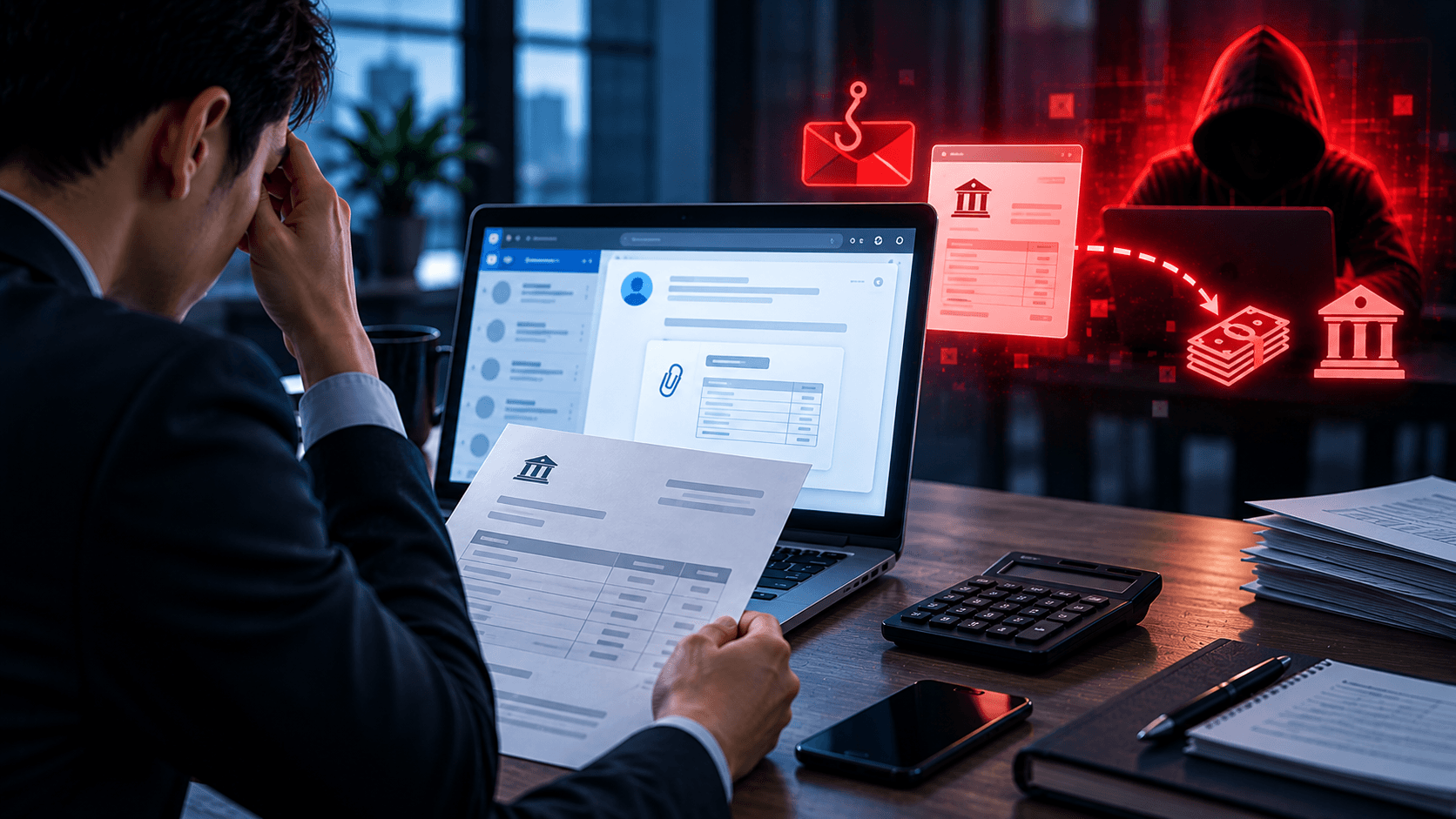
I paid a fake invoice. What should my business do?
Paid a fake invoice? Learn what your business should do immediately to contact the bank, preserve evidence, secure accounts, investigate the fraud, and reduce further losses.
Sep 29, 2026
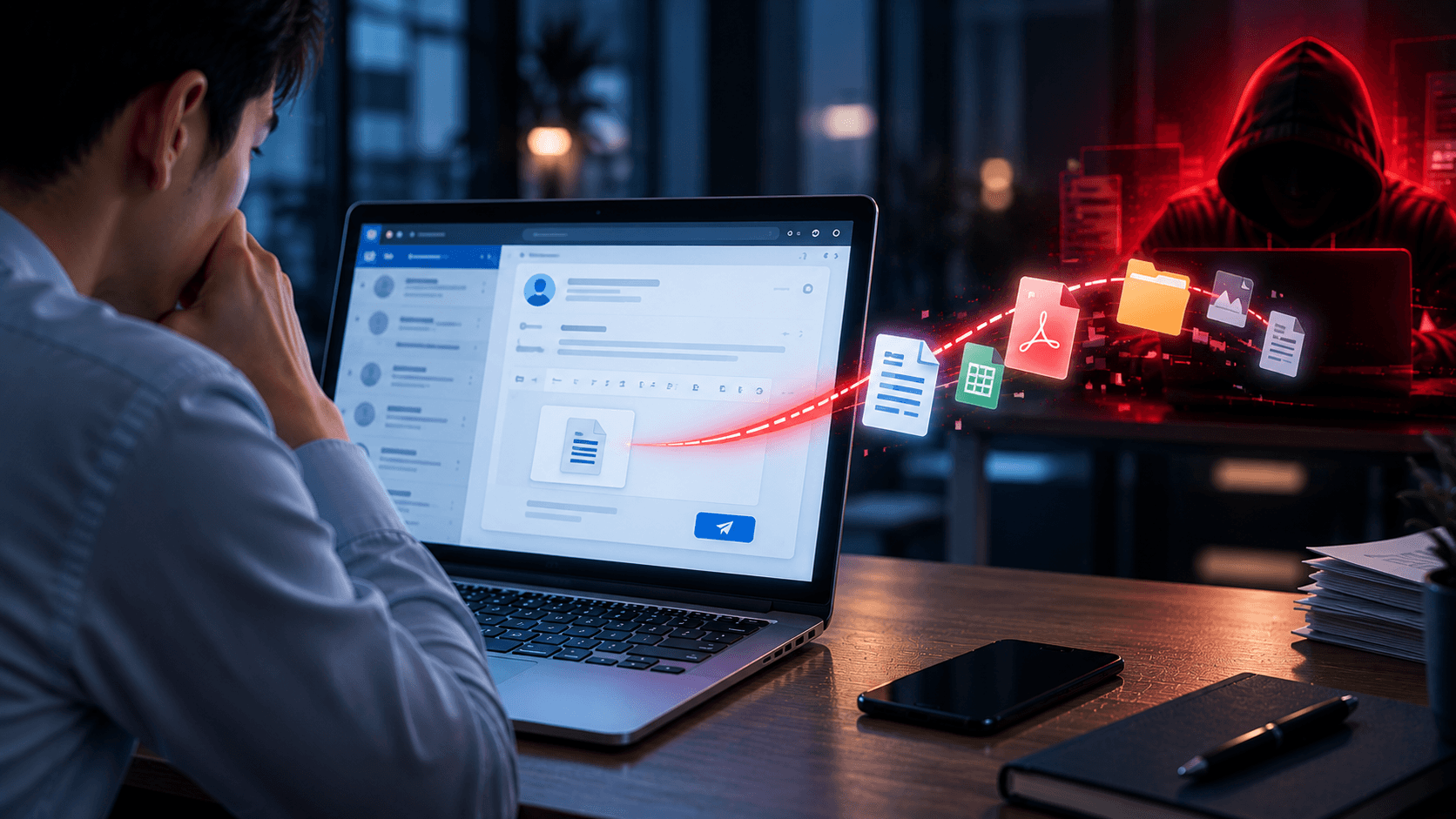
I clicked a phishing link. What should I do now?
Sent confidential information to a fake email? Learn what to do immediately, how to report the incident, assess exposed data, and reduce further risk.
Sep 25, 2026
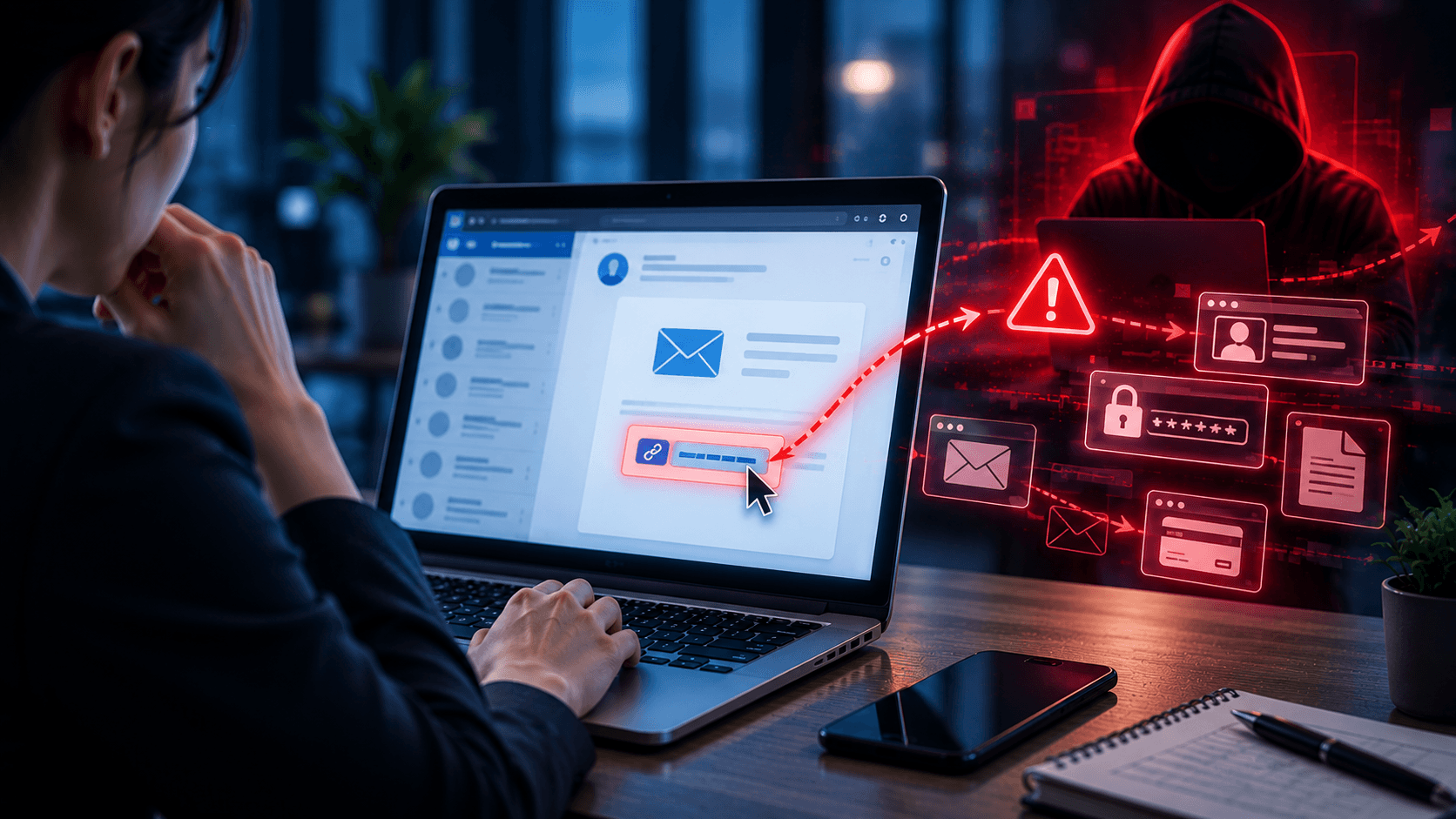
I clicked a phishing link. What should I do now?
Clicked a phishing link? Learn what to do immediately, whether you entered a password or downloaded a file, and how to reduce the risk to your account and business.

Protect your business with ShieldNet 360
Get started and learn how ShieldNet 360 can support your business.