
Jul 6, 2026
BlogCybersecurity for CEOs: What every business owner should know
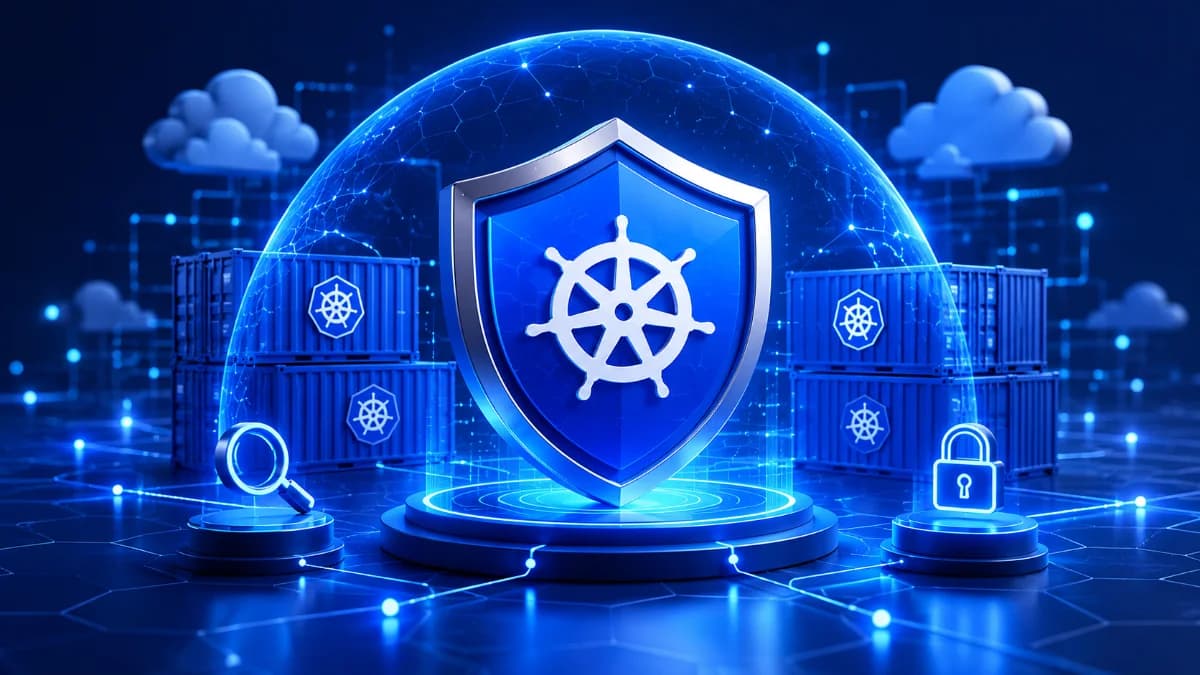
Cybersecurity is no longer just an IT responsibility
Many business owners still believe cybersecurity is something only the IT department needs to worry about.
In reality, today's cyberattacks target businesses – not computers.
Attackers are looking for money, customer information, intellectual property, and opportunities to disrupt operations. Whether you run a manufacturing company, a retail store, a law firm, or a technology startup, cybersecurity has become a business risk that affects revenue, reputation, and customer trust.
The good news is that CEOs do not need to become cybersecurity experts. They simply need to understand the right questions to ask and ensure their business has the right protections in place.
This guide explains cybersecurity in simple language and highlights what every business owner should know.
Quick Answer
Why should CEOs care about cybersecurity?
Cybersecurity protects the people, systems, and information that keep a business running. A successful cyberattack can lead to financial loss, operational disruption, legal obligations, and damage to customer trust. CEOs play a critical role by ensuring cybersecurity is treated as a business priority rather than just an IT task.
Cybersecurity is about business continuity
When people hear "cybersecurity," they often think about hackers or viruses.
Business leaders should think about something different:
Can my business continue operating if a cyberattack happens tomorrow?
Cybersecurity is ultimately about reducing business disruption.
A strong security program helps businesses:
- Keep operations running
- Protect customer information
- Prevent financial fraud
- Meet compliance requirements
- Maintain customer confidence
What cybercriminals are really targeting
Most attackers are not interested in technology itself.
They are interested in valuable business assets, including:
- Customer information
- Employee accounts
- Financial systems
- Business emails
- Cloud applications
- Payment platforms
Many attacks succeed because someone clicks a phishing email, reuses a password, or unknowingly installs unsafe software.
The biggest cybersecurity risks for SMEs
Every business faces different risks, but several threats affect almost every SME.
Account takeover
Attackers steal employee login credentials and access business systems as legitimate users.
Ransomware
Business files become encrypted, stopping operations until systems are recovered.
Email fraud
Attackers impersonate executives or suppliers to trick employees into transferring money.
Data breaches
Sensitive customer or company information is stolen or exposed.
Cloud account compromise
Attackers access Microsoft 365, Google Workspace, or other cloud services using stolen credentials.
Five questions every CEO should ask
Business leaders do not need to know every technical detail.
Instead, they should regularly ask questions like:
1. How quickly can we detect a cyberattack?
Finding an attack early often makes the biggest difference.
2. How quickly can we respond?
Speed reduces damage.
3. Which business systems are most critical?
Know what must stay online.
4. What happens if customer data is compromised?
Understand reporting obligations and recovery plans.
5. Who is responsible during a cyber incident?
Clear ownership leads to faster decisions.
Why prevention alone is no longer enough
Many businesses invest in antivirus software and firewalls.
These remain important, but they cannot stop every attack.
Modern attackers often use stolen passwords, compromised cloud accounts, or legitimate software to avoid detection.
Businesses also need continuous monitoring that identifies suspicious behavior after attackers gain access.
This is known as Detection and Response.
How ShieldNet Defense helps business leaders
ShieldNet Defense is designed specifically for small and medium-sized businesses that want enterprise-grade protection without enterprise complexity.
Instead of producing complicated technical reports, the platform explains security incidents in plain language.
ShieldNet Defense follows a simple approach:
Detect
Continuously monitor endpoints, cloud accounts, identities, and business systems for suspicious activity.
Analyze
AI Agents automatically investigate alerts, connect related events, assess business impact, and explain what happened in language that business leaders can understand.
Respond
ShieldNet Defense recommends – or automatically performs – response actions such as isolating affected devices, blocking malicious activity, revoking compromised sessions, or guiding recovery.
This allows CEOs and IT teams to make informed decisions quickly, even without a dedicated Security Operations Center (SOC).
Why AI makes cybersecurity easier
Artificial Intelligence is not replacing people.
It is helping businesses make faster and better decisions.
AI can:
- Explain security alerts clearly
- Prioritize the most important incidents
- Reduce investigation time
- Recommend the next steps
- Support faster response
For SMEs with limited resources, AI helps bridge the gap between growing cyber risks and limited security expertise.
Key Takeaways
- Cybersecurity is a business issue, not just an IT issue.
- CEOs should focus on protecting operations, customers, and reputation.
- Early detection and rapid response reduce business impact.
- AI makes cybersecurity easier to understand and manage.
- ShieldNet Defense helps SMEs protect their business through Detect → Analyze → Respond.
Frequently Asked Questions
Do CEOs need technical cybersecurity knowledge?
No. CEOs need to understand business risks, ask the right questions, and ensure appropriate security measures are in place.
What is the biggest cybersecurity risk for SMEs?
Account takeover, ransomware, phishing, and cloud account compromise remain among the most common threats.
Why is early detection important?
The sooner an attack is detected, the easier it is to contain and recover with less business disruption.
Can AI improve cybersecurity?
Yes. AI helps businesses analyze incidents faster, explain alerts in simple language, and prioritize the most critical threats.
How does ShieldNet Defense help business owners?
ShieldNet Defense continuously detects, analyzes, investigates, and responds to threats while presenting information in clear, business-friendly language, helping SMEs protect their operations without requiring a large cybersecurity team.
Ready to protect your business?
Discover how ShieldNet Defense helps CEOs and business owners simplify cybersecurity with AI-powered protection that speaks your language.
Related Articles
Oct 1, 2026
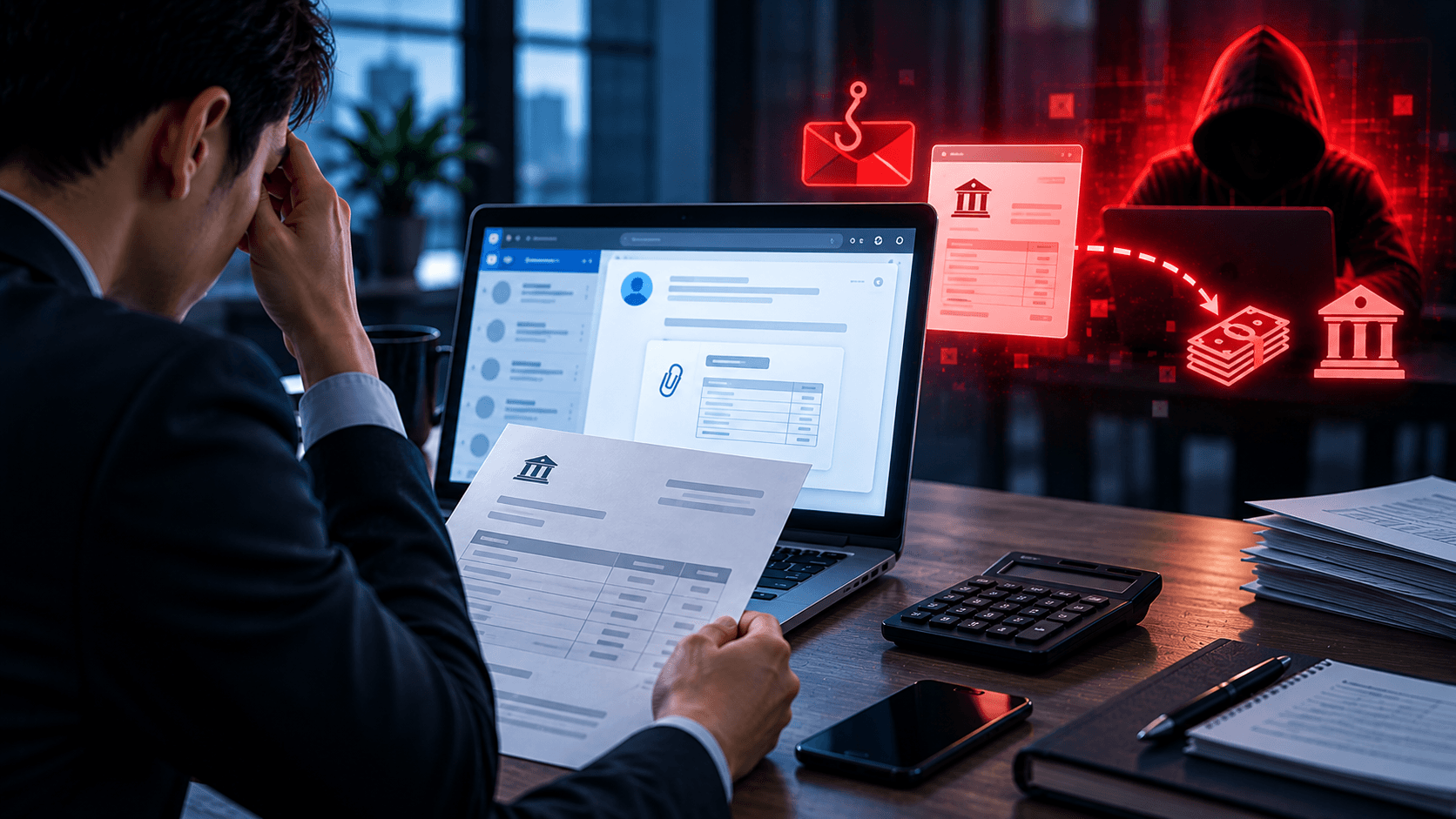
I paid a fake invoice. What should my business do?
Paid a fake invoice? Learn what your business should do immediately to contact the bank, preserve evidence, secure accounts, investigate the fraud, and reduce further losses.
Sep 29, 2026
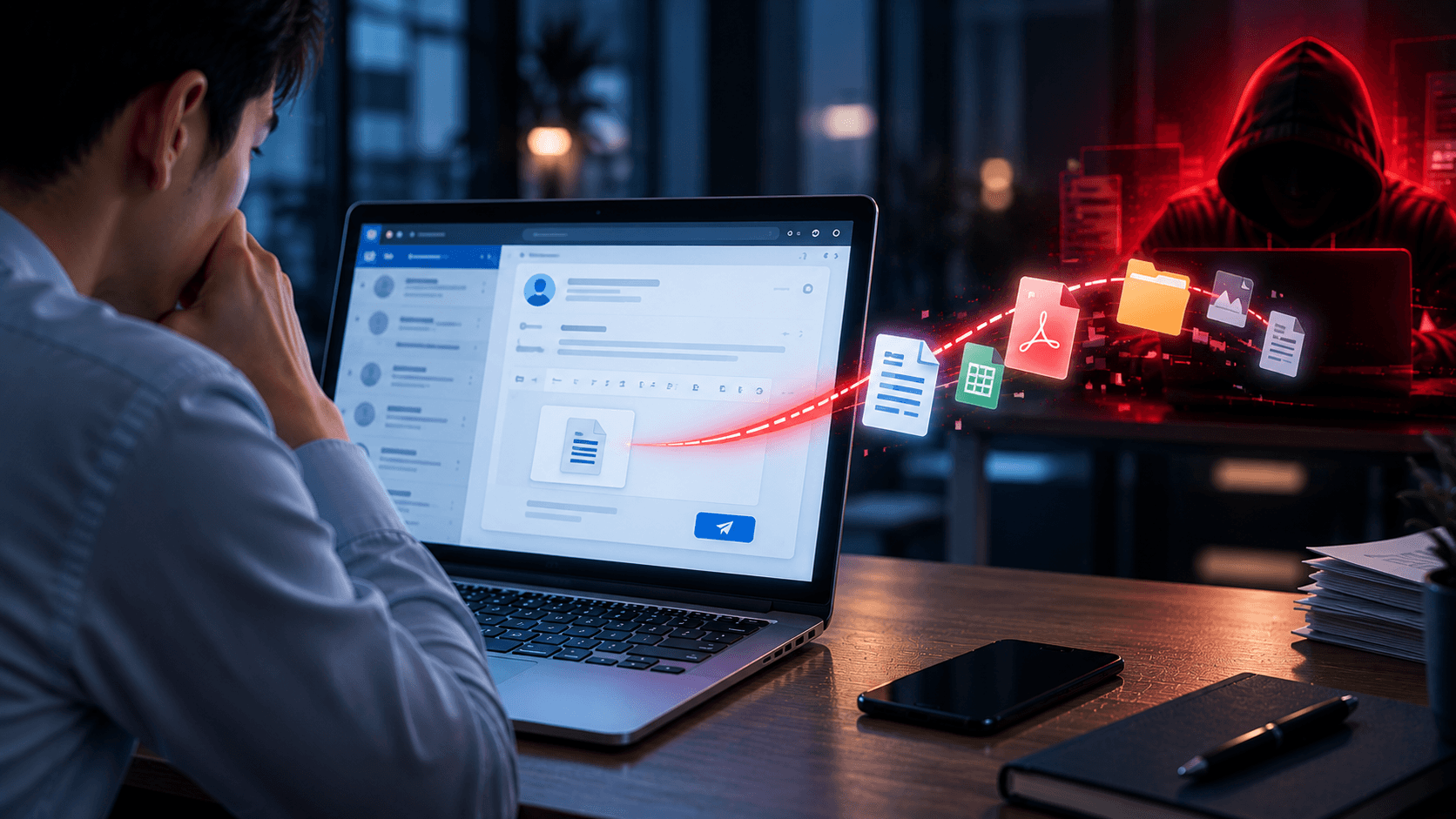
I clicked a phishing link. What should I do now?
Sent confidential information to a fake email? Learn what to do immediately, how to report the incident, assess exposed data, and reduce further risk.
Sep 25, 2026
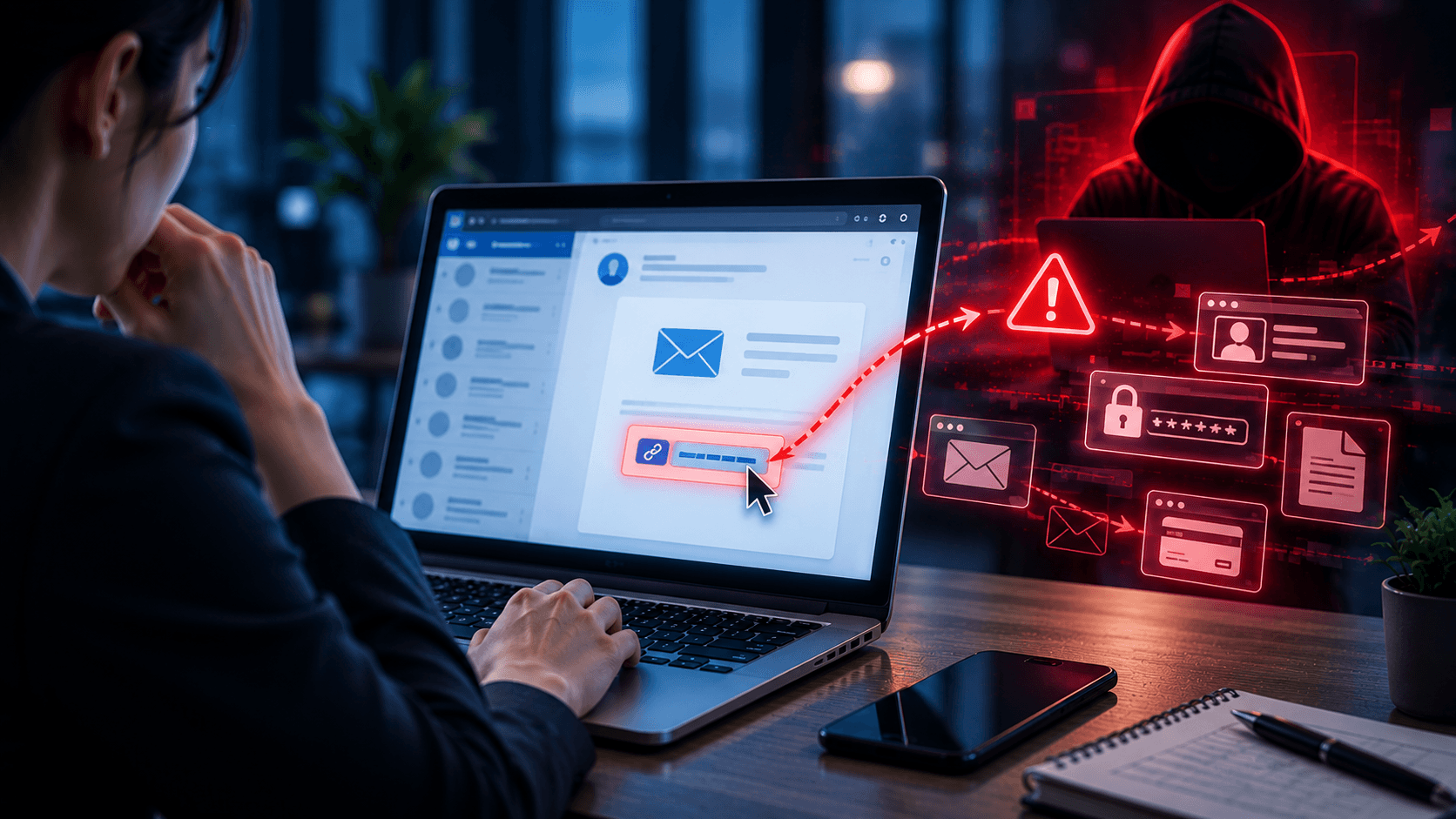
I clicked a phishing link. What should I do now?
Clicked a phishing link? Learn what to do immediately, whether you entered a password or downloaded a file, and how to reduce the risk to your account and business.

Protect your business with ShieldNet 360
Get started and learn how ShieldNet 360 can support your business.